




Description
How to Use
Terracotta is naturally porous, so it breathes and regulates moisture on its own — you can start
composting right away.
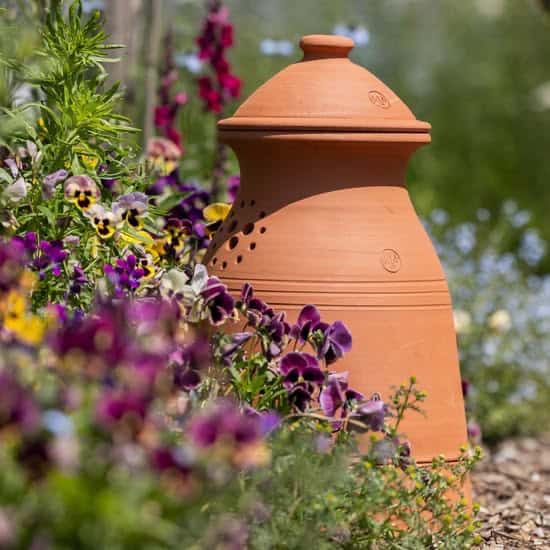
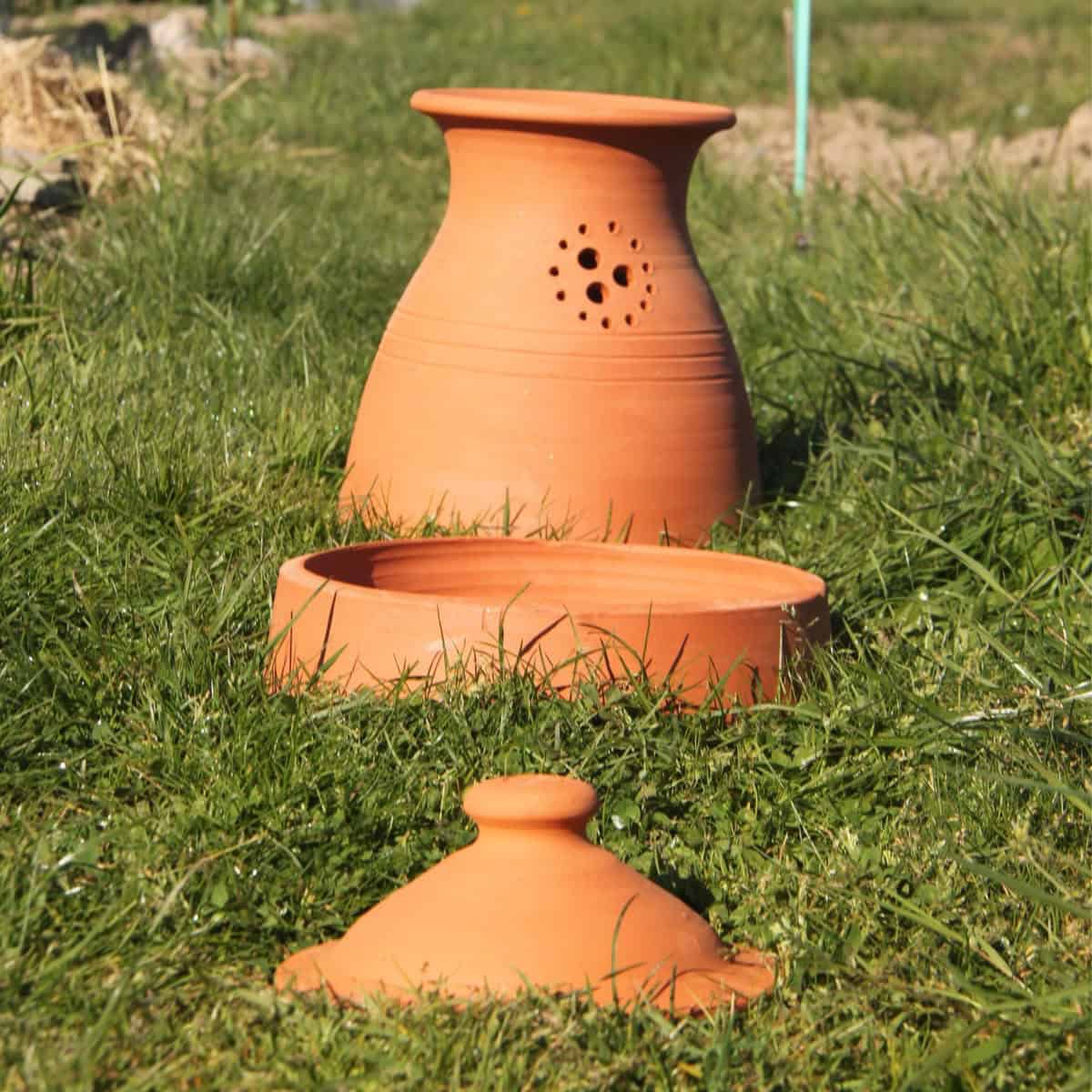
- Set up your kit. Place the tray down, then place the pot on top of it. The tray will collect any excess
liquid that drains out during composting.
- Add your first dry layer. Add a layer of dried leaves, coco peat, soil, or sand.
- Add your wet waste. Add your kitchen scraps — vegetable peels, fruit waste, tea leaves.
- Add another dry layer on top. Cover the wet waste with soil, dried leaves, or garden scraps.
- Close the lid. Use the trowel to mix every few days, and repeat the layering each time you add
fresh waste.
In 30–45 days, you’ll have dark, crumbly, ready-to-use compost for your plants.
Care Instructions
- Keep your pot away from direct rain — terracotta composts best when sheltered, such as on a
covered balcony or indoors.
- Don’t scrub the inside clean between batches. A little residual matter actually helps the next cycle
break down faster.
- Handle with care. Terracotta is sturdy but breakable — keep it away from pets and accidental
knocks.
- If white mineral scaling appears on the surface over time, gently rub with a little tamarind paste and
wipe clean with a damp cloth.
- Wipe the exterior with a damp cloth if it collects dust — no harsh cleaners needed.
Tips for Beginners
- Balance is everything. If your compost smells bad or looks too wet, add more dry material (leaves,
coco peat) and mix. If it looks too dry, add a little water or fresh kitchen scraps.
- Don’t add cooked food, oil, dairy, or meat — these slow down composting and attract pests.
- Chop larger scraps into smaller pieces before adding them — they break down faster.
- Mix every few days. It brings in air and keeps the process moving smoothly.
- A dry, slower compost is normal in terracotta — it’s a feature, not a flaw. The natural airflow keeps
things fresh, even if it takes a little longer than plastic bins.
- Patience in the first batch pays off. The first cycle is usually the slowest — once your pot has
composted once, future batches tend to work faster.
For a family of 2-3 you will need 2 pots
For a family of 4, you will need 4 pots and so on.



Reviews
There are no reviews yet.